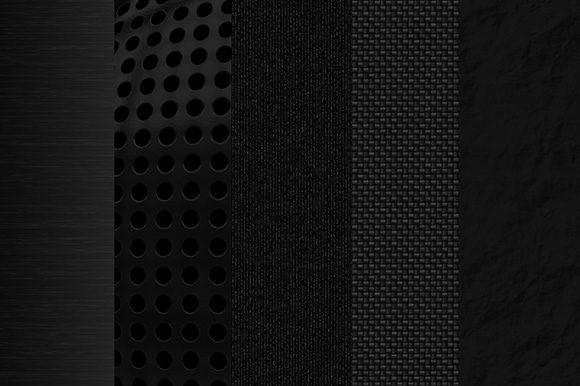
Black Textures: A Practical Guide to High-Resolution Design Assets
In the fast-paced world of digital design, efficiency is not just a preference; it is a necessity. Whether you are a freelance graphic designer, a marketing manager, or a small business owner handling your own branding, the time spent sourcing high-quality assets can quickly eat into your production budget. This is where a curated collection like Black Textures becomes an essential component of your workflow. This specific pack contains 58 black textures, each rendered at a substantial 3000x3000px resolution in JPG format. These are not merely decorative elements; they are functional tools designed to streamline your creative process, ensuring that you can move from concept to final delivery with greater speed and consistency.
Integrating High-Resolution Assets into Your Workflow
Understanding where these assets fit into your broader project lifecycle is key to maximizing their value. Many creators make the mistake of searching for textures ad hoc, midway through a design task. This interrupts flow and often leads to inconsistent quality. By having a reliable library of black textures and backgrounds ready before you begin, you establish a foundation for a smoother execution phase.
The 3000x3000px dimensions provided in this pack are particularly significant for professional workflows. In modern design, scalability is crucial. A texture that looks crisp on a social media post may pixelate when applied to a large-format print or a high-density display. With these high-resolution files, you maintain quality control across various outputs. You can scale down without loss of fidelity, but you cannot scale up a low-resolution image effectively. This foresight saves time on revisions and ensures that your final deliverables meet professional standards regardless of the medium.
Versatility Across Design Disciplines
The utility of this collection extends far beyond simple background fills. The variety included—ranging from abstract shapes to industrial materials—allows for diverse applications across multiple industries. Here is how these textures interact with different types of projects:
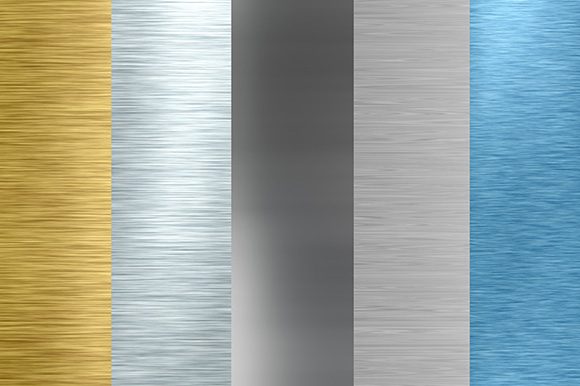
- Product Mockups: When showcasing products, the background sets the tone. Rust backgrounds or brushed metal textures provide a tactile contrast that makes sleek product designs pop. They add depth and realism, helping clients visualize the product in a tangible environment.
- Web and UI Design: Dark mode interfaces are increasingly popular for their reduced eye strain and modern aesthetic. Using subtle concrete or carbon textures can break up flat color fields, adding sophistication without distracting from the user interface elements.
- Presentation Decks: Corporate presentations often suffer from visual fatigue. Incorporating diamond plate backgrounds or artistic abstract styles can reinforce brand identity and keep the audience engaged. The high resolution ensures that these slides look sharp on large conference room screens.
- Print and Packaging: For physical goods, the texture communicates quality. Wood or metal textures can simulate premium materials in digital proofs, allowing for accurate client approvals before costly printing processes begin.
Material Diversity and Artistic Application
A major strength of this pack is the range of material simulations included. It is not limited to a single style but offers a comprehensive suite of surfaces including wood, metal, concrete, carbon, and rust. This diversity allows you to match the texture to the emotional tone of your project.
For instance, rusted backgrounds evoke feelings of age, durability, or industrial grit. They are ideal for brands that want to communicate heritage or ruggedness. Conversely, brushed metal textures suggest precision, technology, and cleanliness, making them perfect for tech startups or financial services. Diamond plate backgrounds offer a heavy, structural feel, useful for construction or automotive sectors. Meanwhile, carbon textures imply high performance and lightweight engineering, often used in sports or luxury automotive design.
The inclusion of abstract design and artistic style options broadens the scope further. These are not just realistic simulations but creative interpretations of form and shadow. They serve as excellent bases for overlaying text or graphics, providing enough visual interest to hold attention while remaining neutral enough to let the foreground content shine.
Efficiency and Cost-Effectiveness in Creative Projects
Time is money, especially for freelancers and agencies billing by the hour or managing tight deadlines. Sourcing individual textures from stock sites often involves navigating complex licensing agreements, downloading varying file sizes, and dealing with inconsistent lighting or perspectives. This pack eliminates those friction points.
By saving time on asset hunting, you speed up your work significantly. Instead of spending hours filtering through thousands of irrelevant images, you have a pre-vetted collection of 58 high-quality options. This consistency also aids in brand coherence. If you are working on a multi-page website or a series of social media posts, using textures from the same source ensures a unified visual language. The consistent resolution and format (JPG) mean you do not need to convert files or adjust settings repeatedly, reducing the technical overhead of your design process.
Technical Considerations and Best Practices
To get the most out of these black textures, consider how they interact with other design elements. Since the base color is black, they are naturally suited for dark-themed designs. However, they can also be used creatively in light-themed projects through blending modes in software like Adobe Photoshop or Illustrator.
Blending Modes: Experiment with "Overlay," "Soft Light," or "Multiply" to integrate the texture with colored backgrounds. This allows you to tint the texture while retaining its structural details, offering endless customization possibilities.
Layering: Do not be afraid to layer multiple textures. Combining a subtle concrete base with a sharper metal accent can create complex, unique surfaces that stand out from generic stock imagery. This technique adds depth and prevents your designs from looking flat or one-dimensional.
Contrast Management: When using dark textures, ensure sufficient contrast for readability. If placing text over these backgrounds, use light-colored fonts or add semi-transparent overlays behind the text blocks. This maintains accessibility standards while leveraging the aesthetic appeal of the texture.
Long-Term Value and Asset Organization
Investing in a quality texture pack is a long-term strategy. Unlike trend-specific graphics that may become obsolete, fundamental materials like wood, metal, and concrete remain relevant. Organizing these 58 files into your permanent asset library ensures they are available for future projects. Tagging them by material type (e.g., "industrial," "organic," "abstract") can further speed up retrieval times.
Moreover, the JPG format ensures broad compatibility. Whether you are using industry-standard tools like Photoshop, free alternatives like GIMP, or web-based platforms like Canva, these files will open and edit without issue. This universality makes the pack suitable for teams with varied software preferences or for individuals who switch between different devices and platforms.
In conclusion, this collection of 58 black textures is more than just a set of images; it is a productivity tool. By providing high-resolution, versatile, and professionally crafted backgrounds, it allows you to focus on the creative and strategic aspects of your work rather than the logistical hunt for assets. Whether you are designing a website, creating a presentation, or developing a product mockup, integrating these textures into your workflow enhances quality, consistency, and efficiency. Thanks for visiting my profile, and we hope these backgrounds, created with love and attention to detail, serve as a valuable resource in your creative journey.