Giraffes on the Savanna: A Visual Asset for Wildlife and Travel Projects
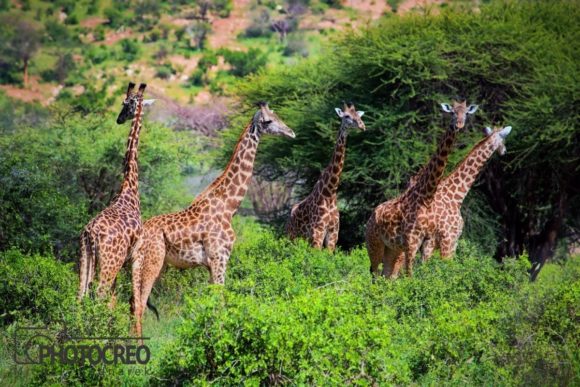
In the realm of digital design and print media, selecting the right visual asset is critical for conveying atmosphere and authenticity. Giraffes on the Savanna represents a specific photographic capture taken during a safari in Tsavo West, Kenya. This image features giraffes navigating through the dense bushes and acacia trees characteristic of the East African landscape. For designers, marketers, and content creators, understanding the technical specifications and aesthetic qualities of this file is essential before integrating it into broader projects. This evaluation explores the utility, benefits, and considerations associated with using this specific wildlife photograph in both digital and printable contexts.
Understanding the Subject and Setting
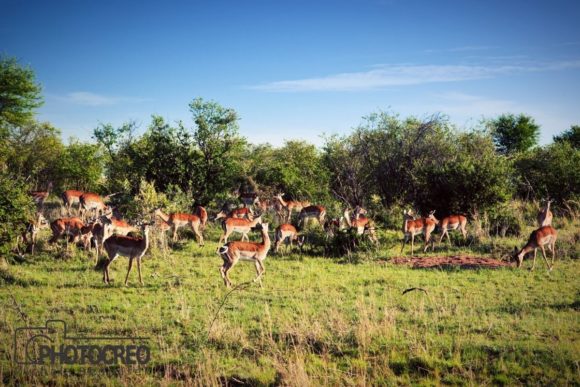
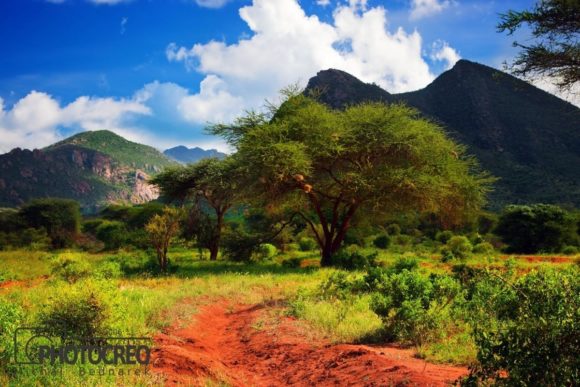
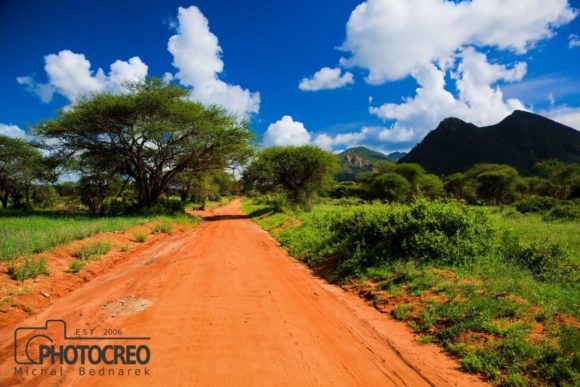
The core appeal of Giraffes on the Savanna lies in its geographical and ecological authenticity. Tsavo West National Park in Kenya is renowned for its rugged terrain and diverse vegetation, differing significantly from the open grasslands often depicted in generic stock photography. The image captures giraffes among bushes and trees, offering a more textured and layered composition. This setting provides a sense of place that resonates with audiences interested in genuine travel experiences and wildlife conservation.
For users researching wildlife themes, the accuracy of the habitat matters. The presence of indigenous flora alongside the giraffes adds educational value and visual interest. Unlike staged or zoo-based photography, this image reflects natural behavior and environment, which can enhance the credibility of educational materials, travel blogs, or conservation campaigns. The composition balances the towering stature of the giraffes with the intricate details of the savanna brush, creating a dynamic visual narrative.
Technical Specifications and Format Considerations
Before committing to any visual asset, it is necessary to evaluate its technical properties. Giraffes on the Savanna is provided in JPEG format at 72 DPI (dots per inch). These specifications dictate how the image can be effectively utilized across different media channels.
- Digital Use: The 72 DPI resolution is the standard for screen display. This makes the file highly suitable for websites, social media posts, email newsletters, and digital presentations. In these contexts, pixel dimensions matter more than DPI, and JPEG offers a good balance between image quality and file size, ensuring faster load times without significant visual degradation.
- Print Limitations: For high-quality physical prints, such as large posters or glossy brochures, 300 DPI is typically recommended. Using a 72 DPI image for large-format printing may result in pixelation or blurriness. However, for smaller print items like postcards, flyers, or web-based mockups, the image may still perform adequately depending on the viewing distance and print technology.
Users must assess their specific output requirements. If the primary goal is digital engagement, this file format is optimal. If large-scale printing is intended, users should verify the pixel dimensions to ensure they can be scaled appropriately or consider upscaling techniques, though native high-resolution files are generally preferred for professional print work.
Applications and Ideal Use Cases
The versatility of Giraffes on the Savanna allows it to serve various creative and commercial purposes. Its naturalistic style aligns well with projects that aim to evoke wanderlust, educate about nature, or promote eco-tourism.
Travel and Tourism Marketing
Travel agencies and tour operators focusing on East African safaris can leverage this image to illustrate the unique experience of visiting Tsavo West. It serves as an effective visual hook for website headers, travel itineraries, and promotional flyers. The authentic depiction of the landscape helps potential travelers visualize the adventure, potentially influencing booking decisions.
Educational and Conservation Content
Educators and non-profit organizations can use the image in presentations, worksheets, and awareness campaigns. The realistic portrayal of giraffes in their natural habitat supports lessons on biodiversity, animal behavior, and ecosystem preservation. It provides a concrete example for discussing the challenges and beauty of life on the savanna.
Digital Design and Web Elements
Web designers can incorporate the image into background banners, blog post featured images, or sidebar graphics. The earthy tones of the savanna—browns, greens, and ochres—blend well with minimalist design aesthetics, allowing text overlays to remain readable if proper contrast adjustments are made.
Evaluating Tradeoffs and Alternatives
While Giraffes on the Savanna offers distinct advantages, it is important to recognize situations where alternative assets might be more appropriate. A balanced decision-making process involves weighing the specific needs of the project against the limitations of the file.
Considerations for Print Projects: As noted, the 72 DPI specification is a primary constraint for high-end printing. If a project requires a large, crisp poster for a trade show or a high-quality coffee table book, this file may not meet professional standards without significant upscaling, which can introduce artifacts. In such cases, sourcing a RAW or high-resolution TIFF file from the photographer or a premium stock library might be a better investment.
Composition Preferences: The image features giraffes among bushes and trees, which creates a busy, textured background. For designs requiring significant negative space for text placement, this composition might pose challenges. Designers may need to use overlay techniques, blur effects, or careful cropping to create readable areas. If a cleaner, minimalist look is desired, an alternative image with a plain sky background or open plains might be more suitable.
Subject Focus: If the primary focus of a project is a close-up portrait of a giraffe’s face or specific anatomical details, this wider landscape shot may not provide the necessary detail. It is best suited for establishing shots or contextual imagery rather than detailed scientific illustration.
Decision-Making Insights for Buyers and Users
To determine whether Giraffes on the Savanna aligns with your goals, consider the following practical questions:
- What is the primary medium? If the project is primarily digital (web, social, email), this asset is a strong fit. If it is primarily print, verify the required print size and quality expectations.
- Does the aesthetic match the brand? The rugged, natural look of Tsavo West suits brands emphasizing authenticity, adventure, and nature. It may not align with brands seeking polished, studio-like, or highly stylized visuals.
- Is licensing flexibility needed? The availability for both digital and printable projects suggests broad usage rights, but users should always confirm specific license terms regarding commercial use, redistribution, and modification.
- How will it integrate with other design elements? Assess the color palette and composition. Ensure that the earthy tones complement your existing design scheme and that there is a strategy for handling text overlays if needed.
Conclusion
Giraffes on the Savanna is a valuable resource for creators seeking authentic wildlife imagery from Kenya’s Tsavo West region. Its strength lies in its realistic depiction of the savanna ecosystem, making it ideal for travel marketing, educational content, and digital design projects. While the 72 DPI JPEG format limits its suitability for large-format high-resolution printing, it remains an excellent choice for screen-based media and smaller print applications. By carefully evaluating technical requirements and design goals, users can effectively leverage this image to enhance their visual storytelling and connect with audiences interested in the natural world.