Premium Metal Backgrounds for Designers
In the realm of high-impact visual communication, texture is not merely a decorative element; it is a foundational tool that dictates mood, depth, and perceived value. For graphic designers, marketers, and brand strategists, integrating Metal Backgrounds into creative workflows offers an immediate way to elevate digital and print assets. Whether you are crafting a sleek user interface or a rugged packaging design, the right metallic texture can transform a flat composition into a tangible, engaging experience.
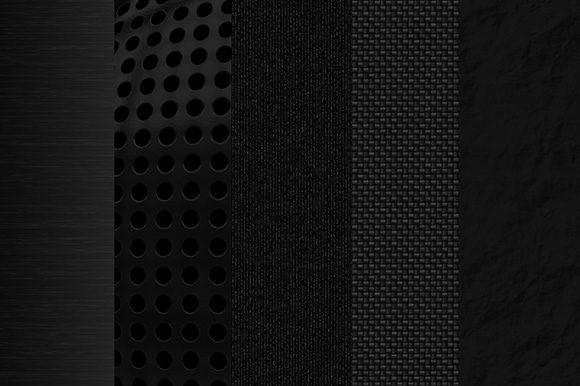
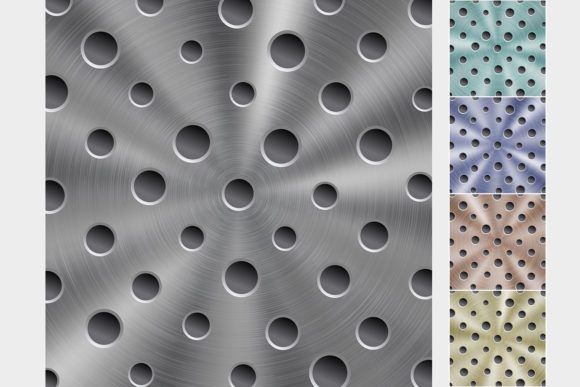
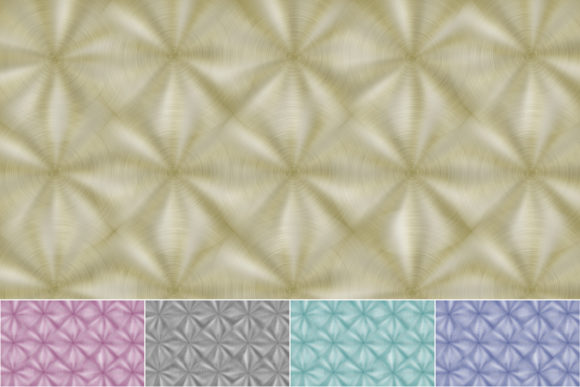
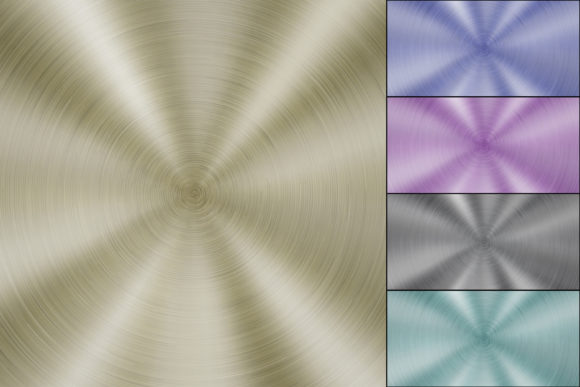
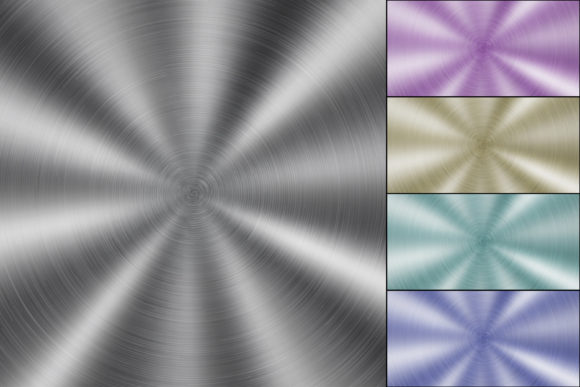
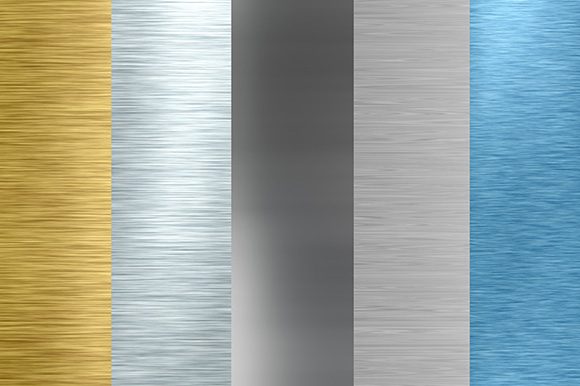
This curated collection features ten distinct metal backgrounds, each rendered at a high resolution of 3200x3200 pixels in JPG format. These assets are designed to serve as versatile building blocks for your next project, allowing you to save time on asset creation while maintaining a premium aesthetic. By leveraging these ready-to-use textures, you can speed up your design workflow and focus more on strategic layout and typography rather than spending hours generating realistic material effects from scratch.
The Strategic Value of Metallic Textures in Branding
Metallic surfaces convey specific psychological cues. Brushed steel suggests precision, modernity, and industrial strength, while rusted iron evokes heritage, authenticity, and raw durability. Understanding these nuances is crucial for effective brand identity development. When you incorporate these textures into your logo design or corporate collateral, you are subtly communicating qualities like reliability and innovation to your audience.
For instance, a tech startup might utilize clean, brushed metal textures to align with themes of cutting-edge technology and minimalism. Conversely, a craft brewery or artisanal coffee brand might opt for diamond plate or weathered rust backgrounds to highlight their hands-on, authentic approach. The key lies in matching the texture’s character with the brand’s core values, ensuring that every visual element supports the overall narrative.
Versatile Applications Across Design Disciplines
The utility of high-resolution metal textures extends far beyond simple backdrops. Here is how you can integrate these assets into various aspects of your design workflow:
- Product Mockups: Use diamond plate or brushed metal backgrounds to create realistic environments for product photography, enhancing the perceived quality of the item being showcased.
- Social Media Graphics: Add depth to promotional posts by layering typography over subtle metallic gradients, ensuring high contrast and readability for better engagement.
- Web and UI Design: Implement dark, sleek metal textures in hero sections or footers to create a sophisticated, modern aesthetic that guides the user’s eye through the content hierarchy.
- Packaging Design: Simulate metallic finishes in digital proofs to help clients visualize how their package will stand out on retail shelves.
- Professional Presentations: Replace sterile white slides with textured backgrounds to add visual interest and maintain audience attention during pitches.
Best Practices for Integrating Textures
While metal backgrounds are powerful, their effectiveness depends on thoughtful application. Overusing heavy textures can clutter a design and distract from the primary message. To maintain a polished look, consider the following principles of visual hierarchy and composition:
First, prioritize readability. When placing text over complex textures like rust or diamond plate, use solid color overlays or semi-transparent shapes to ensure the copy remains legible. This is particularly important in digital marketing materials where quick information consumption is key. Second, maintain consistency with your color palette. Metallic tones often pair well with monochromatic schemes or bold accent colors, but clashing hues can diminish the professional feel of the design.
Additionally, pay attention to lighting and directionality. Ensure that any shadows or highlights in your foreground elements align with the light source implied by the metal texture. This coherence creates a believable sense of depth, making the composite image feel unified rather than pasted together. For typography, clean sans-serif fonts often complement the industrial feel of metal, while serif fonts can create an interesting juxtaposition when paired with weathered textures.
Ultimately, the goal is to enhance the user experience and strengthen brand communication. By selecting high-quality assets like this pack of ten metal backgrounds, you invest in the efficiency and quality of your output. These resources allow you to experiment with different artistic styles—from abstract shapes to realistic industrial looks—without compromising on resolution or clarity. As design trends continue to evolve towards tactile, immersive experiences, having a library of versatile, high-resolution textures ensures you are prepared to meet diverse client needs with confidence and creativity.