Red Soil Road: Capturing the Raw Beauty of Tsavo West for Creative Projects
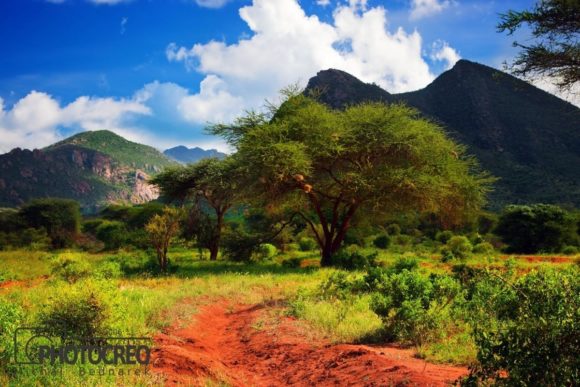
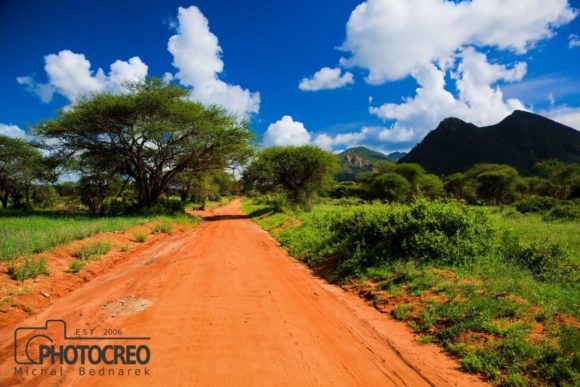
There is a specific kind of magic found in the landscapes of East Africa, a vibrancy that digital screens often struggle to replicate. The Red Soil Road image captures this essence perfectly, showcasing a winding dirt track cutting through the iconic savanna of Tsavo West, Kenya. For creatives, designers, and travel enthusiasts, this isn’t just a photograph; it is a versatile asset that brings warmth, texture, and a sense of adventure to any project. Whether you are designing a travel brochure, creating a motivational poster, or building a website background, understanding how to leverage this visual element can elevate your work from standard to striking.
The Visual Power of Earth Tones in Design
The dominant feature of this image is, unsurprisingly, the soil. The rich, rust-colored earth of Tsavo West provides a natural contrast to the muted greens of the acacia trees and the hazy blues of the distant mountains. In design psychology, red and orange tones evoke feelings of energy, warmth, and grounding. When you incorporate the Red Soil Road into your projects, you are tapping into these primal associations.
Unlike sterile stock photography that feels manufactured, this image offers authenticity. The 72 DPI JPEG format ensures that the file is lightweight and easy to handle, making it ideal for digital applications where load times matter. However, its high-resolution details allow it to hold up well in many printable formats too, provided you are mindful of scaling. The composition leads the eye naturally down the road, creating a sense of journey and movement. This directional flow is a powerful tool for guiding viewer attention in layouts, whether you are placing text over the sky area or using the road as a border element.
Practical Applications for Travel and Hospitality Industries
For professionals in the travel sector, this image is a goldmine. Tour operators specializing in Kenyan safaris or broader African adventures can use the Red Soil Road photo to create immediate emotional connections with potential clients. Imagine this image as the hero banner on a landing page for a "Wild Kenya" package. The ruggedness of the dirt road signals an authentic, off-the-beaten-path experience, appealing to travelers who want more than just a luxury resort stay.
- Brochures and Flyers: Use the image as a full-page background with semi-transparent text boxes overlaying the sky or the lighter sections of the savanna. The red tones provide excellent contrast for white or cream-colored typography.
- Social Media Campaigns: Crop the image to focus on the texture of the road and the nearby bushes for Instagram stories or Pinterest pins. These square or vertical crops highlight the tactile quality of the landscape, encouraging users to "feel" the environment.
- Postcards and Souvenirs: The scenic view of mountains and trees makes this a classic choice for printed postcards. The nostalgic feel of a dirt road resonates with tourists looking to send a piece of their adventure home.
Hospitality brands, such as eco-lodges or boutique hotels in rural settings, can also benefit. Using this image in their branding materials communicates a commitment to nature and sustainability. It suggests that the property is integrated into the landscape rather than imposed upon it.
Educational and Non-Profit Storytelling
Beyond commercial travel, the Red Soil Road serves educational and non-profit purposes effectively. Organizations focused on conservation, wildlife protection, or community development in East Africa can use this imagery to ground their narratives in reality. The photo does not just show animals; it shows the habitat. It shows the infrastructure—however rudimentary—that connects communities.
Consider a newsletter from a charity working in Tsavo. Using this image as a header can subtly reinforce the location and the challenges of accessibility in remote areas. The road represents connection and progress. For educators teaching geography or environmental science, this photo can be used in presentations to illustrate the unique geology of the region. The red soil is rich in iron oxide, a fact that can be highlighted alongside the visual to create a multidimensional learning resource.
Interior Design and Personal Creative Projects
On a personal level, this image appeals to those who appreciate rustic aesthetics. Interior designers often look for large-scale art prints that bring warmth into modern, minimalist spaces. A large canvas print of the Red Soil Road can serve as a focal point in a living room or office, adding organic texture without overwhelming the space. The neutral palette of the savanna complements various interior styles, from bohemian to contemporary.
Digital creators and bloggers focusing on lifestyle, mindfulness, or slow living can use this image to evoke a sense of calm and escape. The open landscape suggests freedom and breathing room. It works exceptionally well as a background for quote graphics or meditation guides. The simplicity of the scene allows the message to take center stage while the visual provides a soothing context.
Technical Considerations for Best Results
While the Red Soil Road image is versatile, there are practical considerations to keep in mind to ensure optimal results. The file is provided in JPEG format at 72 DPI. This resolution is standard for web use, ensuring fast loading times and clear display on screens. However, if you intend to print large-format posters or high-quality brochures, you should be aware of the limitations of 72 DPI.
For small to medium prints, such as postcards, flyers, or standard-sized photos (up to 8x10 inches), the image will likely perform adequately. But for larger canvases or high-end magazine spreads, you may notice pixelation if the image is stretched too far. Always check the actual pixel dimensions before starting your design. If you need to enlarge the image significantly, consider using AI-upscaling tools to maintain clarity, though nothing beats starting with a higher resolution source if available.
Color calibration is another key factor. The reds in the soil can appear differently on various monitors. Before finalizing any print job, it is wise to do a test print to ensure the earthy tones match your expectations. The natural lighting in the photo suggests either early morning or late afternoon, which casts long shadows and enhances texture. When editing, avoid oversaturating the reds, as this can make the image look artificial and lose the subtle nuances of the savanna landscape.
Navigating Common Design Challenges
One common challenge when using landscape photography is text legibility. The Red Soil Road image has areas of high contrast and areas of uniform color. To maximize readability, place text over the sky or the darker patches of vegetation rather than over the textured road itself. Using a gradient overlay can also help separate the text from the background without obscuring the beauty of the scene.
Another consideration is cultural sensitivity and representation. When using images of African landscapes, it is important to approach the content with respect and accuracy. Avoid clichés or stereotypes. Instead, let the image speak to the natural beauty and geological uniqueness of Tsavo West. Pair the visual with informative, respectful copy that honors the location and its people.
Ultimately, the value of the Red Soil Road lies in its ability to transport the viewer. It is a window into a world that feels both ancient and alive. By understanding its technical specs and creative potential, you can use this asset to build bridges between your audience and the stunning realities of the Kenyan savanna. Whether for a commercial campaign or a personal passion project, this image offers a grounded, authentic aesthetic that stands out in a sea of generic stock photography.