Savanna Landscape: Visual Storytelling Guide
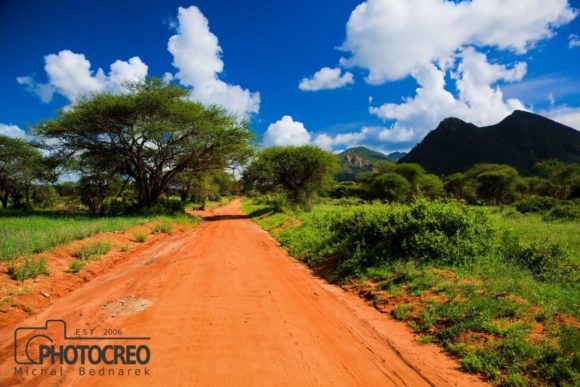
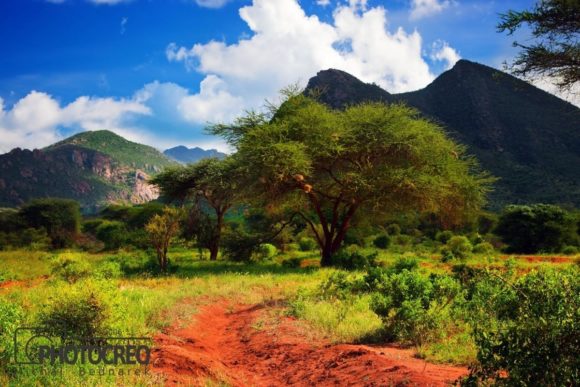
Visual content is the cornerstone of modern communication, bridging the gap between abstract ideas and tangible emotions. When we talk about a Savanna Landscape, we are not merely describing a geographical location; we are invoking a specific aesthetic that combines warmth, adventure, and natural serenity. This particular image, captured in the heart of Tsavo West, Kenya, offers a compelling narrative through its composition. It features a striking red dirt road that winds toward distant mountains, flanked by resilient trees and lush bushes. For creators, marketers, and educators, understanding how to leverage such imagery can significantly enhance the impact of their projects.
The appeal of this photograph lies in its authenticity and vibrant color palette. The contrast between the earthy reds of the soil and the greens of the vegetation creates a visual harmony that is both calming and invigorating. Unlike staged studio shots, this scene captures the raw beauty of the African wilderness, providing a sense of place that resonates with audiences seeking connection to nature. Whether you are designing a travel brochure or building a personal brand centered on sustainability, the right visual elements can elevate your message from ordinary to extraordinary.
Understanding the Composition and Appeal
To effectively use a Savanna Landscape in your work, it helps to understand why it works visually. The image from Tsavo West is structured around leading lines. The red dirt road acts as a natural guide, drawing the viewer’s eye from the foreground into the depth of the scene, toward the mountains. This technique creates a sense of journey and exploration, which is psychologically engaging. Humans are naturally drawn to paths because they suggest movement and possibility.
Furthermore, the lighting and texture play crucial roles. The 72 DPI JPEG format ensures that the colors remain vivid on digital screens, where most users will first encounter your content. The rough texture of the dirt road contrasts with the softness of the distant haze, adding depth and realism. For beginners in design, recognizing these elements allows you to place text and other graphics in ways that complement rather than compete with the image. For instance, placing white or light-colored text over the darker areas of the trees or bushes ensures readability while maintaining the aesthetic integrity of the photo.
Practical Applications for Creators and Businesses
The versatility of this image makes it suitable for a wide array of applications. Here are several practical ways you can integrate this Savanna Landscape into your professional and personal projects:
- Travel and Tourism Marketing: This is the most obvious use case. Travel agencies, tour operators, and hotel chains can use this image on websites, flyers, and posters to evoke the spirit of adventure. It serves as an instant invitation to explore Kenya’s natural beauty.
- Digital Content Creation: Bloggers and social media managers can use this photo as a header image for articles about wildlife conservation, African culture, or sustainable travel. The high-quality JPEG format loads quickly while retaining clarity, which is essential for user experience and SEO.
- Educational Materials: Educators teaching geography, ecology, or art can use this image to illustrate concepts such as erosion, vegetation zones, or photographic composition. It provides a real-world example that is both informative and visually appealing.
- Corporate Branding: Companies focused on organic products, eco-friendly initiatives, or outdoor gear can incorporate this landscape into their branding materials. It aligns with values of nature, resilience, and authenticity.
- Printable Projects: Despite being a digital file, the resolution is sufficient for many printable items such as postcards, greeting cards, and small-format posters. The warm tones translate well to print, adding a tactile quality to physical merchandise.
Enhancing User Engagement Through Visuals
In the digital age, attention spans are short. A compelling image like this Savanna Landscape can stop a user from scrolling past your content. When used on a website homepage, it sets the tone immediately. If your brand is about exploration, freedom, or natural beauty, this image communicates that without a single word. For entrepreneurs and small business owners, this means lower bounce rates and higher engagement metrics, which indirectly support better search engine rankings.
Consider the emotional response you want to elicit. The red dirt road suggests a path less traveled, appealing to those who value uniqueness and discovery. The mountains in the background represent stability and grandeur. By aligning your copy with these visual cues, you create a cohesive narrative. For example, a caption might read, "Find your path in the wild," which directly references the visual element of the road while connecting to the user’s desire for adventure.
Technical Considerations and Best Practices
Before downloading and using any digital asset, it is important to consider technical specifications. This image is provided in JPEG format at 72 DPI. This standard is optimized for screen display, making it ideal for websites, social media, email newsletters, and digital presentations. However, if you plan to use it for large-format printing, such as billboards or large wall posters, you should be aware of the limitations. While 72 DPI looks sharp on a monitor, printed materials typically require 300 DPI for crisp details. For small prints like postcards or flyers, the current resolution is generally acceptable, but always test a sample print to ensure quality.
Another consideration is color management. Screens vary in how they display colors. The vibrant reds and greens of the Tsavo West scenery may appear differently on various devices. To maintain consistency, ensure your website or design software is calibrated correctly. Additionally, when overlaying text, use high-contrast colors. White or black text usually works best against the complex background of trees and sky. Avoid placing text over busy areas where details might make it hard to read.
Why Choose Authentic Nature Photography?
In a market saturated with generic stock photos, authentic imagery stands out. A Savanna Landscape from a specific location like Tsavo West carries a story. It is not just a random collection of pixels; it is a snapshot of a real place with real ecological significance. Using such images demonstrates respect for the subject matter and adds credibility to your content. Audiences today are savvy; they can distinguish between staged, artificial scenes and genuine moments captured in nature.
Moreover, nature photography has a universal appeal. It transcends language barriers and cultural differences. A beautiful landscape can inspire someone in New York, Tokyo, or Nairobi equally. This makes it a powerful tool for global brands and educators who aim to reach diverse audiences. By choosing high-quality, authentic images, you invest in the long-term value of your content. It remains relevant and appealing regardless of changing design trends because natural beauty is timeless.
Ultimately, the decision to use this image should align with your goals. If you aim to inspire, inform, or sell experiences related to nature and travel, this Savanna Landscape is an excellent choice. It offers a blend of aesthetic pleasure and practical utility that few other assets can match. By understanding its composition, technical specs, and emotional impact, you can unlock its full potential in your creative and professional endeavors.