Unlocking Creativity: A Comprehensive Guide to Flower Floral Design Clipart and Watercolour Blushes
In the vibrant world of digital design, few elements possess the timeless appeal and versatility of botanical imagery. Specifically, flower floral design clipart and watercolour blushes flower assets have become indispensable tools for creators ranging from professional graphic designers to hobbyist crafters. These digital resources allow individuals to infuse their projects with elegance, nature-inspired beauty, and a touch of artistic flair without requiring advanced illustration skills. But what exactly makes these assets so significant, and how can you leverage them effectively in your creative workflow?
This article explores the essence of floral clipart and watercolour designs, examining their purpose, practical applications, and the nuances that distinguish high-quality resources from the rest. Whether you are designing wedding invitations, creating social media content, or developing branding materials, understanding these elements can elevate your visual communication.
The Essence of Digital Botanicals
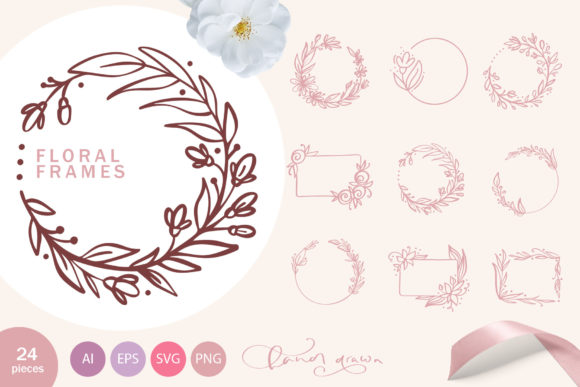
At its core, clipart refers to pre-made images used to illustrate any medium. While early clipart was often simplistic and cartoonish, modern floral design clipart has evolved into a sophisticated category of digital art. It encompasses a wide range of styles, from hyper-realistic botanical illustrations to minimalist line art. However, one of the most popular trends in recent years is the watercolour aesthetic.
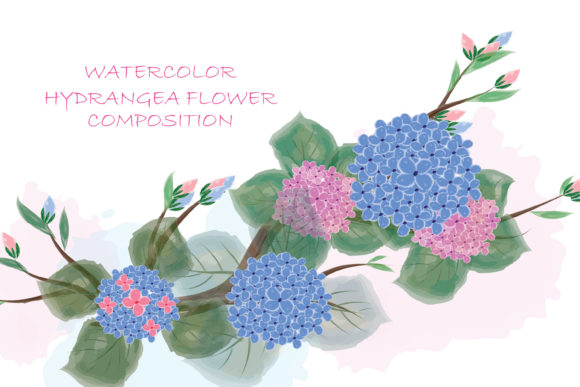
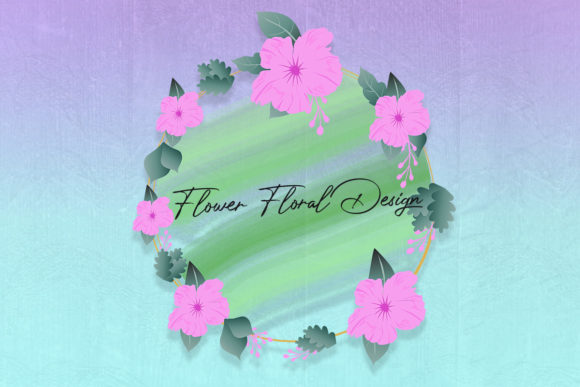
Watercolour blushes flower designs mimic the soft, translucent, and organic qualities of traditional watercolor painting. The term "blush" often refers to the delicate pink, peach, or soft red hues that are prevalent in these designs, evoking feelings of romance, gentleness, and springtime freshness. When combined with floral motifs, these watercolour effects create a sense of depth and texture that flat vector graphics sometimes lack.
Why Choose Watercolour Over Vector?
While vector graphics are scalable and crisp, watercolour PNGs (Portable Network Graphics) offer a unique artistic value. They provide:
- Texture and Depth: The subtle gradients and paper-like textures add a tactile feel to digital designs.
- Emotional Resonance: Soft edges and blended colors often convey warmth and approachability, making them ideal for lifestyle and wellness brands.
- Organic Imperfection: Unlike the rigid precision of vectors, watercolour designs embrace natural irregularities, which can make a design feel more human and handcrafted.
Practical Applications in Modern Design
The versatility of flower floral design clipart means it fits seamlessly into various sectors of modern life and business. Here are some of the most common and impactful ways these assets are utilized:
- Wedding and Event Stationery: This is perhaps the most prominent use case. Couples and event planners frequently use watercolour blushes flower elements for save-the-dates, invitations, menu cards, and table numbers. The soft aesthetic aligns perfectly with the romantic tone of weddings.
- Branding and Packaging: Businesses in the beauty, skincare, and artisanal food industries often incorporate floral clipart into their logos and packaging. It signals natural ingredients, femininity, and luxury. For example, a handmade soap brand might use lavender watercolour illustrations to emphasize calmness and organic quality.
- Digital Content Creation: Bloggers, influencers, and social media managers use floral overlays to frame text, create story highlights, or design Pinterest pins. These elements help break up text-heavy graphics and add visual interest.
- Educational Materials: Teachers and educational publishers use botanical clipart to make worksheets, science diagrams, and classroom decorations more engaging for students.
Navigating Quality and Licensing
Not all clipart is created equal. When searching for flower floral design clipart, it is crucial to consider both technical quality and legal usage rights. Understanding these factors ensures that your final product looks professional and respects intellectual property laws.
Technical Specifications Matter
High-quality watercolour clipart should typically be provided as PNG files with transparent backgrounds. This allows you to layer the flowers over any color or pattern without a white box appearing around the image. Additionally, look for high-resolution files (usually 300 DPI or higher) to ensure that the images remain crisp when printed. Low-resolution images may appear pixelated or blurry, detracting from the overall professionalism of your design.
Understanding Licensing Terms
Before downloading or purchasing any clipart, always read the license agreement. Common licensing types include:
- Personal Use Only: You can use the images for non-commercial projects, such as personal greeting cards or home decor.
- Commercial Use: Allows you to use the images in products you sell, such as printed mugs, t-shirts, or digital templates. Some licenses may require attribution, while others are royalty-free.
- Extended Commercial License: Often required for high-volume sales or for using the clipart in logos and trademarks.
Ignoring licensing terms can lead to legal issues and fines. Always verify whether you need to credit the artist or if the usage is entirely unrestricted.
Design Tips for Integrating Floral Elements
Using clipart effectively requires more than just dragging and dropping images onto a canvas. To create cohesive and visually appealing designs, consider the following best practices:
1. Maintain Color Harmony
Even though watercolour blushes flower designs are inherently soft, they must complement your overall color palette. If your background is dark, ensure the floral elements have enough contrast to be visible. Conversely, for light backgrounds, choose flowers with deeper tones or add a subtle shadow to create separation.
2. Balance Composition
Avoid cluttering your design with too many floral elements. Use clipart to frame key information or to draw attention to specific areas. Negative space is just as important as the decorated areas; it allows the viewer’s eye to rest and focuses attention on the main message.
3. Mix Styles with Caution
While mixing different floral styles can be creative, it often leads to visual discord. Stick to one consistent style—such as realistic watercolour or minimalist line art—within a single project. If you must mix, ensure they share a similar color scheme or level of detail to maintain unity.
4. Layering for Depth
Create a sense of three-dimensionality by layering multiple floral elements. Place larger blooms in the background and smaller buds or leaves in the foreground. Adjusting the opacity of certain layers can also enhance the ethereal, watercolour effect.
Common Misconceptions About Clipart
There are several misunderstandings surrounding the use of digital clipart. One common assumption is that using pre-made elements makes a design "lazy" or unoriginal. In reality, professional designers frequently use stock assets to save time and enhance quality. The creativity lies in how these elements are combined, edited, and integrated into a broader conceptual framework.
Another misconception is that watercolour clipart is only suitable for feminine or romantic themes. While soft blushes are popular, watercolour techniques can also be used to create bold, vibrant, and modern designs using deep greens, blues, and purples. The medium is versatile and can adapt to various brand identities and aesthetic goals.
Conclusion
Flower floral design clipart and watercolour blushes flower assets are powerful tools in the modern designer’s toolkit. They bridge the gap between traditional artistic expression and digital efficiency, allowing creators to produce stunning, emotionally resonant visuals with ease. By understanding the technical requirements, licensing nuances, and design principles associated with these elements, you can unlock new levels of creativity in your projects.
Whether you are crafting a heartfelt invitation, building a brand identity, or simply adding a touch of beauty to your daily digital interactions, these botanical resources offer endless possibilities. Embrace the organic beauty of watercolour florals, experiment with composition, and let nature inspire your next creative endeavor.
For more inspiration and high-quality resources, consider exploring reputable digital marketplaces or supporting independent artists who specialize in botanical illustrations. Remember, the right floral element can transform a simple design into a memorable visual experience.