Jungle Aesthetics: Leveraging Natural Imagery in Modern Design
In an era where digital saturation is the norm, the visual language of nature has emerged as a powerful counterbalance. The concept of the jungle, once viewed merely as a wild, untamed frontier, has evolved into a sophisticated design motif that resonates deeply with contemporary audiences. This shift is not accidental; it reflects a broader cultural movement toward sustainability, wellness, and authenticity. For designers, marketers, and content creators, understanding how to effectively utilize jungle imagery is no longer just about aesthetic preference—it is a strategic imperative.
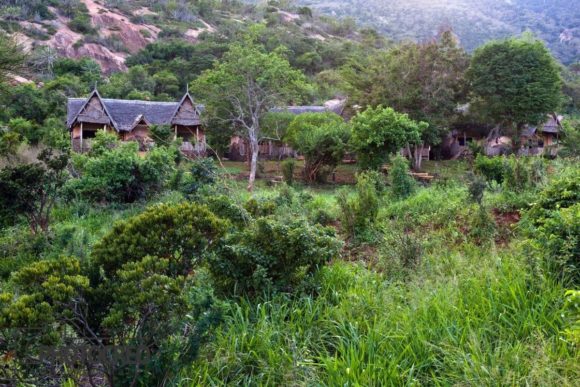
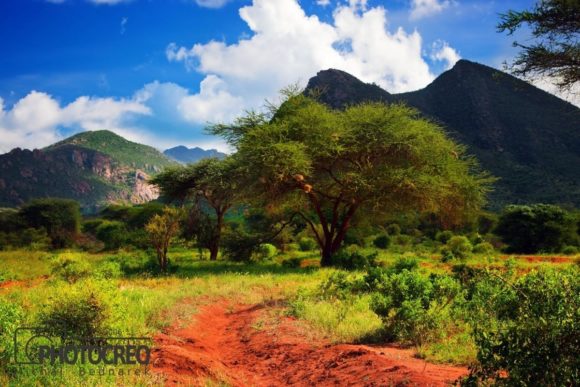
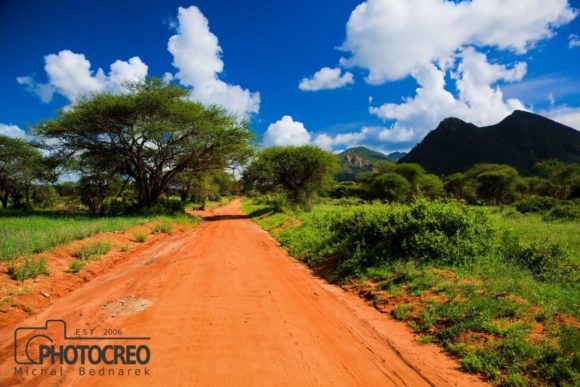
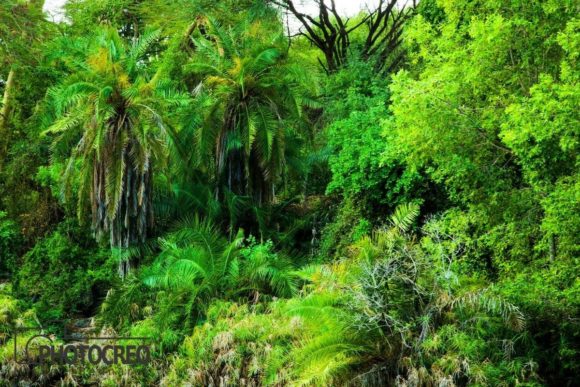
Consider, for instance, a high-resolution photograph of luxurious green vegetation, featuring dense trees and bushes captured in Tsavo West, Kenya. Such an image is not merely a snapshot of geography; it is a versatile asset. When utilized correctly, this bright, vibrant imagery serves as an ideal background for a myriad of design projects. From digital advertising campaigns to printable travel items, websites, flyers, and posters, the application of such natural visuals can significantly enhance user engagement and brand perception.
The Evolution of Nature in Visual Communication
The integration of jungle themes into professional design has undergone a significant transformation over the past decade. Previously, nature imagery was often relegated to specific niches, such as environmental nonprofits or outdoor adventure brands. Today, however, the appeal of lush, green landscapes extends across industries, including technology, finance, healthcare, and luxury hospitality. This expansion is driven by a growing recognition of the psychological impact of natural elements on human cognition.
Research in environmental psychology suggests that exposure to images of nature, even in digital formats, can reduce stress and improve focus. This phenomenon, often referred to as "biophilic design," explains why a JPEG image of Tsavo West’s vegetation, rendered at 72 DPI for optimal web performance, can create a calming effect on website visitors. As remote work becomes entrenched and screen time increases, professionals and consumers alike seek visual respite. Designers who incorporate these elements are not just following a trend; they are responding to a fundamental human need for connection with the natural world.
Furthermore, the technical accessibility of high-quality stock photography has democratized this approach. Creators no longer need to embark on expeditions to capture authentic jungle scenes. Instead, they can access professionally shot images that capture the intricate details of foliage, light, and texture. This availability allows for greater consistency and quality in branding materials, ensuring that the visual narrative remains compelling across various platforms.
Practical Applications for Digital and Print Media
The versatility of a well-composed jungle photograph lies in its adaptability. Whether you are designing a corporate brochure or a social media campaign, the right background image can elevate the overall message. Here are several practical ways to integrate such imagery into your workflow:
- Website Backgrounds: Use the bright, green hues of Tsavo West vegetation as a hero section background. The natural contrast allows white or light-colored text to stand out, improving readability while creating an inviting atmosphere. Ensure the image is optimized for web use, typically at 72 DPI, to maintain fast loading speeds without sacrificing visual quality.
- Advertising Campaigns: In digital advertising, attention spans are short. A lush, vibrant background can capture interest immediately. For products related to wellness, organic foods, or eco-friendly technologies, the jungle aesthetic reinforces the brand’s values without the need for excessive copy.
- Printable Materials: Flyers, posters, and travel items benefit from the high-impact visual presence of dense foliage. When preparing files for print, remember that while the source may be a 72 DPI JPEG for digital proofing, final print production often requires higher resolution. However, for standard promotional flyers and internal documents, the digital format provides a cost-effective and visually striking solution.
- Presentation Decks: Corporate presentations often suffer from visual fatigue. Incorporating slides with natural backgrounds can re-engage the audience. Use the image as a subtle overlay behind key data points, ensuring that the text remains legible through the use of semi-transparent shapes or bold typography.
Each of these applications requires a nuanced understanding of composition. The goal is not to let the image overpower the content but to create a harmonious balance where the natural elements support the primary message. For example, when using a photo of trees and bushes, consider the direction of light and the density of the leaves. Areas with less visual clutter can serve as negative space for text, while denser regions can frame the content effectively.
Aligning with Modern Consumer Expectations
Today’s consumers are more informed and value-driven than ever before. They are increasingly drawn to brands that demonstrate authenticity and environmental consciousness. Using imagery that reflects real, untouched landscapes like Tsavo West signals a respect for nature that resonates with this audience. It moves beyond superficial greenwashing to offer a genuine visual connection to the environment.
This alignment is particularly relevant for entrepreneurs and business owners looking to differentiate their offerings. In a crowded market, visual identity plays a crucial role in brand recall. A consistent use of high-quality jungle imagery can become a recognizable signature of your brand, associating it with vitality, growth, and stability. These are attributes that transcend industry boundaries, appealing to a broad demographic of adults aged 20 to 50 who prioritize both professional success and personal well-being.
Moreover, the global shift toward sustainable practices has influenced design trends. Minimalism, which dominated the previous decade, is giving way to "warm maximalism" and organic textures. People are seeking warmth and depth in their visual experiences. A photograph capturing the complex interplay of light and shadow in a Kenyan jungle offers this depth. It invites the viewer to look closer, fostering a deeper engagement with the content.
Technical Considerations for Optimal Results
While the aesthetic appeal of jungle imagery is undeniable, technical execution is equally important. The file format and resolution play critical roles in how the image performs across different mediums. For most digital projects, including websites and social media, a JPEG format at 72 DPI is the standard. This specification ensures a balance between image quality and file size, facilitating faster load times and smoother user experiences.
However, creators must be mindful of color accuracy. Screens display colors differently, and the vibrant greens of Tsavo West may appear varying shades depending on the device. It is advisable to test designs on multiple screens to ensure consistency. Additionally, when using such images as backgrounds, consider applying overlays or filters to adjust brightness and contrast. This ensures that foreground elements, such as text or logos, remain clear and accessible.
Accessibility should also be a priority. When using busy backgrounds like dense vegetation, ensure sufficient contrast ratios for text. This not only improves readability for all users but also complies with web accessibility standards. Tools that analyze contrast levels can help designers make informed adjustments, ensuring that the beauty of the image does not compromise functionality.
Future-Proofing Your Design Strategy
As we look ahead, the relevance of nature-inspired design is likely to grow. Advances in virtual and augmented reality will further blur the lines between physical and digital environments, making high-quality natural imagery even more valuable. Designers who master the use of these elements now will be well-positioned to adapt to emerging technologies.
Furthermore, the ongoing conversation around climate change and conservation will keep nature at the forefront of public discourse. Brands that authentically integrate these themes into their visual identity will continue to build trust and loyalty. This is not about fleeting trends but about aligning with enduring human values.
In conclusion, the use of jungle imagery, such as the luxurious green vegetation found in Tsavo West, offers a powerful tool for modern creators. By understanding the psychological, aesthetic, and technical aspects of these visuals, professionals can create designs that are not only beautiful but also meaningful. Whether for digital ads, print materials, or web interfaces, the strategic application of nature-inspired backgrounds can enhance communication, engage audiences, and reflect a commitment to authenticity. As the digital landscape continues to evolve, the timeless appeal of the natural world remains a constant source of inspiration and effectiveness.