Jungle Flat Color Vector Illustration: Elevating Digital Design with Tropical Aesthetics
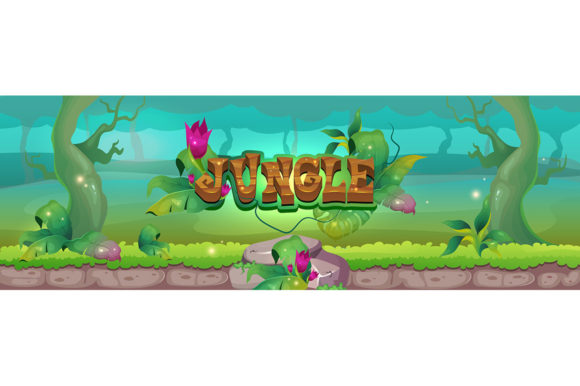
In the rapidly evolving landscape of digital design, visual clarity and aesthetic appeal are paramount. The Jungle Flat Color Vector Illustration has emerged as a vital asset for creators seeking to balance modern minimalism with rich, organic storytelling. This specific style of artwork captures the essence of a fantasy forest, presenting a panoramic scene of wild woods that feels both immersive and accessible. By utilizing a flat color palette, designers can convey complex natural environments without the visual clutter often associated with photorealistic imagery. The result is a clean, scalable, and versatile graphic that resonates with contemporary audiences across various media platforms.
The demand for such illustrations stems from a broader shift in user expectations. Modern viewers, accustomed to fast-loading websites and mobile-first interfaces, prefer graphics that are lightweight yet impactful. A tropical 2D cartoon landscape with greenery on the background offers exactly this balance. It provides an immediate emotional connection to nature—evoking feelings of calm, adventure, and vitality—while maintaining the technical efficiency required for high-performance digital products. Whether used in mobile applications, educational materials, or marketing campaigns, these illustrations serve as powerful tools for communication.
The Evolution of Natural Imagery in Digital Media
The journey from detailed, textured landscapes to streamlined vector art reflects significant changes in technology and design philosophy. In the early days of web design, bandwidth limitations necessitated simple graphics. As technology advanced, there was a brief period where heavy, realistic textures dominated. However, the rise of flat design principles in the 2010s marked a return to simplicity, focusing on usability and clear visual hierarchy. Today, the Jungle flat color vector illustration represents the maturity of this trend. It combines the simplicity of flat design with the narrative depth of environmental storytelling.
This evolution is not merely stylistic but functional. Vector graphics, by definition, are resolution-independent. This means they can be scaled infinitely without losing quality, making them ideal for responsive design. A single file can look crisp on a smartwatch screen and equally stunning on a large desktop monitor. For businesses and entrepreneurs, this versatility translates into cost efficiency. Instead of creating multiple assets for different devices, a single vector source file can be adapted universally. The inclusion of exotic wildlife and flourishing bushes in these designs adds character without compromising the clean lines that define the flat aesthetic.
Key Components of an Effective Jungle Scene
Creating a compelling panoramic scene of wild woods requires careful attention to composition and color theory. The success of a Jungle Flat Color Vector Illustration lies in its ability to suggest depth and complexity through simplified shapes. Here are the critical elements that define high-quality assets in this category:
- Layered Greenery: Effective jungle scenes use varying shades of green to create depth. Foreground elements, such as flourish on bushes and grass, are typically darker and more detailed, while background foliage is lighter and simpler. This technique guides the viewer’s eye through the image.
- Exotic Wildlife Integration: The presence of animals adds life and narrative potential. Whether it is a hidden toucan, a playful monkey, or a majestic tiger, exotic wildlife serves as focal points that engage the audience. In flat design, these creatures are stylized to match the geometric simplicity of the environment.
- Balanced Composition: A panoramic view must feel expansive yet contained. Designers often use framing techniques, such as overhanging branches or foreground leaves, to create a sense of looking into a private, untouched world. This invites curiosity and exploration.
- Harmonious Color Palette: While green dominates, successful illustrations incorporate accent colors from flowers, fruits, or animal features. These pops of color prevent monotony and enhance visual interest without overwhelming the serene atmosphere.
Understanding these components helps creators select the right assets for their projects. It also enables marketers to communicate more effectively with design teams, ensuring that the final output aligns with brand identity and campaign goals.
Practical Applications for Professionals and Creators
The utility of a tropical 2D cartoon landscape extends far beyond decorative purposes. For educators, these illustrations can transform dry textbooks into engaging learning experiences. Visualizing ecosystems through friendly, approachable art helps students connect with environmental science concepts. For app developers, jungle-themed backgrounds can enhance gamification elements, providing a rewarding visual context for user achievements.
In the corporate sector, sustainability-focused brands frequently utilize these graphics to reinforce their commitment to environmental responsibility. A website featuring a lush, vibrant jungle scene subtly communicates values of growth, renewal, and ecological balance. Similarly, travel agencies and tourism boards leverage these images to evoke the allure of exotic destinations, inspiring wanderlust without the need for expensive photography shoots.
Freelancers and hobbyists also benefit significantly from access to high-quality vector packs. Having a pre-made Jungle Flat Color Vector Illustration allows independent creators to produce professional-grade content quickly. This efficiency is crucial in today’s fast-paced content economy, where speed-to-market can determine success. By integrating these assets into their workflows, creators can focus more on strategy and messaging rather than spending hours on intricate illustration tasks.
Technical Versatility and File Formats
One of the most significant advantages of purchasing professional vector illustrations is the range of file formats provided. A comprehensive ZIP file typically contains EPS, JPG, PNG, SVG, and AI formats. Each format serves a distinct purpose in the modern design workflow:
- AI (Adobe Illustrator): This is the native source file, allowing full editability. Designers can modify colors, rearrange elements, or add new details to customize the illustration to their specific needs.
- EPS (Encapsulated PostScript): A universal vector format compatible with various design software. It is ideal for print production, ensuring high-quality output for brochures, posters, and packaging.
- SVG (Scalable Vector Graphics): Perfect for web development. SVGs are code-based, meaning they load quickly and can be manipulated via CSS or JavaScript. This makes them ideal for interactive websites and animations.
- PNG (Portable Network Graphics): Offers transparency support, making it easy to overlay the jungle scene onto other backgrounds or interfaces without unsightly white boxes.
- JPG (Joint Photographic Experts Group): Suitable for quick previews, social media posts, or situations where vector editing is not required. It provides a compact file size for easy sharing.
This multi-format approach ensures that the asset is future-proof. As technology changes and new platforms emerge, having access to both vector and raster versions guarantees that the illustration remains usable. For business owners, this means a one-time investment yields long-term value across multiple channels and campaigns.
Aligning with Modern Design Trends
The popularity of the Jungle Flat Color Vector Illustration is closely tied to current design trends that prioritize authenticity and mental well-being. In an increasingly digital world, there is a growing desire for connections to nature. Biophilic design principles, which seek to integrate natural elements into built environments, have extended into the digital realm. Users report lower stress levels and higher satisfaction when interacting with interfaces that incorporate natural motifs.
Furthermore, the flat color style aligns with the minimalist aesthetic that continues to dominate user interface design. Clean lines and solid colors reduce cognitive load, allowing users to process information more efficiently. When combined with the organic shapes of a fantasy forest, this creates a unique juxtaposition that is both calming and stimulating. It offers a escape from the rigid grids of traditional corporate design, injecting personality and warmth into digital experiences.
As remote work and digital lifestyles become permanent fixtures, the demand for visually soothing and engaging content will likely continue to grow. Creators who understand how to leverage these assets effectively will be better positioned to meet the emotional and functional needs of their audiences. By choosing high-quality, versatile illustrations, professionals can enhance their brand storytelling while maintaining technical excellence.
In conclusion, the Jungle flat color vector illustration is more than just a decorative element; it is a strategic design tool. Its ability to convey complex natural beauty through simple, scalable forms makes it indispensable for modern creators. From enhancing educational materials to reinforcing brand values, these illustrations offer practical solutions for a wide range of applications. By understanding the technical specifications and aesthetic principles behind these assets, professionals can make informed decisions that elevate their projects and resonate with their target audiences.