Bringing Nature to Life: The Charm of Doodle Grass and Hand-Drawn Spring Plants in Modern Design
In the fast-paced digital world, there is a growing appreciation for visuals that feel organic, approachable, and human. This is where doodle grass fresh spring plants and hand-drawn grass fresh spring plants come into play. These artistic elements, often rendered in a doodle cartoon style vector format, are not just decorative; they serve as powerful tools for communication, branding, and emotional connection. Whether you are a graphic designer, a content creator, or simply someone who loves the aesthetic of nature, understanding the appeal and utility of these illustrations can transform how you present information.
What Are Doodle-Style Spring Plant Illustrations?
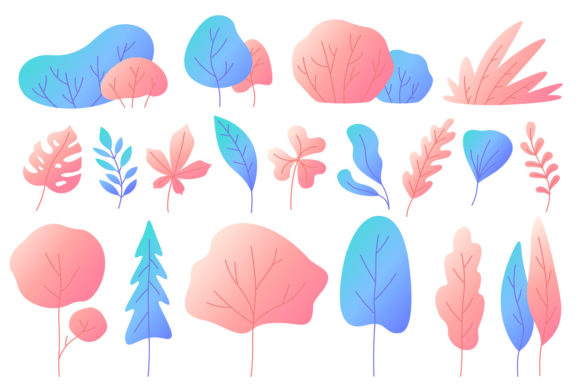
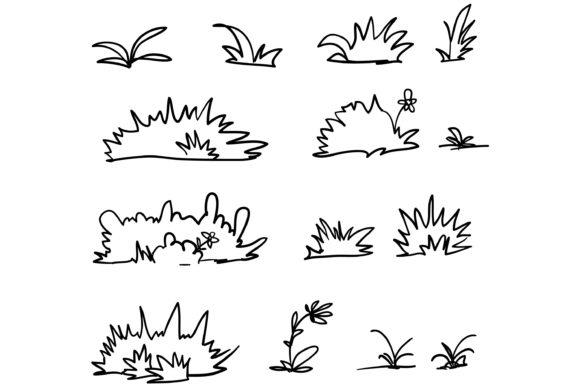
At their core, doodle-style spring plant illustrations are simplified, whimsical representations of flora. Unlike photorealistic images that strive for perfect accuracy, doodles embrace imperfection. They feature different herbs and bushes in doodle cartoon style vector formats, characterized by loose lines, playful shapes, and a sense of movement. The term "vector" is crucial here; it means the images are created using mathematical paths rather than pixels, allowing them to be scaled infinitely without losing quality.
The "spring" aspect refers to the subject matter: fresh greenery, budding leaves, wildflowers, and vibrant herbs. These elements symbolize renewal, growth, and vitality. When combined with a hand-drawn aesthetic, they evoke a sense of nostalgia and warmth that sterile, corporate graphics often lack.
The Appeal of Imperfection
Why do people gravitate toward hand-drawn styles? In an era dominated by high-definition photography and sleek, minimalist UI design, doodles offer a breath of fresh air. They feel authentic. A perfectly symmetrical leaf might look impressive, but a slightly wobbly, hand-sketched blade of grass feels like it was made by a human hand. This perceived humanity builds trust and relatability, which is essential in marketing and education.
The Versatility of Vector Graphics in Design
One of the primary reasons designers love hand-drawn grass fresh spring plants is their technical flexibility. Because they are vectors, these assets can be used across a multitude of platforms without degradation. Here is how they fit into various modern applications:
- Web Design: Doodle elements can break up text-heavy pages, making content more digestible. A border of illustrated herbs can frame a blog post about gardening or healthy eating, instantly setting the tone.
- Brand Identity: Companies in the organic food, wellness, and eco-friendly sectors often use these styles to communicate their values. The informal nature of doodles suggests transparency and approachability.
- Educational Materials: Textbooks and e-learning modules benefit from simple illustrations. Complex botanical concepts become easier to understand when depicted through clear, labeled doodles rather than dense photographs.
- Packaging: From tea boxes to skincare labels, vector doodles add a artisanal touch that appeals to consumers looking for natural products.
Exploring Different Herbs and Bushes in Doodle Style
The beauty of this artistic style lies in its diversity. Artists do not limit themselves to generic "plants." Instead, they explore specific species, each carrying its own symbolic weight and visual character. Let’s look at some common examples found in these collections:
- Lavender: Often depicted with slender stems and small purple buds, lavender doodles convey calmness and relaxation. They are perfect for wellness brands or sleep-related content.
- Mint: With its jagged, vibrant green leaves, mint represents freshness and energy. It is a popular choice for culinary blogs or dental hygiene products.
- Ferns: Ferns offer intricate, fractal-like patterns that look stunning in vector form. They add a sense of depth and lushness to background designs.
- Wildflowers: Daisies, poppies, and buttercups bring pops of color. Their simple shapes make them ideal for beginner-friendly design projects.
- Succulents: Though not strictly "spring" plants, succulents are often included in these sets due to their popularity. Their geometric forms contrast nicely with the flowing lines of grass.
By mixing these different herbs and bushes, designers can create rich, textured compositions that tell a story. For instance, a combination of mint and lavender might suggest a spa experience, while wildflowers and ferns could evoke a forest walk.
Common Misunderstandings About Doodle Art
Despite their popularity, there are several misconceptions about doodle-style vector art. Clarifying these can help users make better decisions when incorporating them into their projects.
Misconception 1: Doodles are easy to create.
While they look simple, creating balanced, aesthetically pleasing doodles requires skill. Artists must understand composition, line weight, and color theory to ensure the final product looks intentional rather than messy.
Misconception 2: Vector files are always complex.
Many beginners assume that vector software like Adobe Illustrator is too difficult for simple drawings. However, basic doodle shapes can be created with simple pen tools, making this style accessible to novice designers.
Misconception 3: Hand-drawn styles are unprofessional.
On the contrary, when used correctly, they enhance professionalism by adding personality. Many top-tier tech companies use illustration systems that include hand-drawn elements to soften their brand image.
How to Incorporate Spring Plant Doodles into Your Workflow
If you are ready to start using doodle grass fresh spring plants in your work, here are some practical steps to ensure success:
1. Define Your Purpose
Before selecting assets, ask yourself what message you want to convey. Are you aiming for tranquility? Energy? Nostalgia? Your choice of plants and colors should align with this goal. For example, use bright greens and yellows for energy, and muted pastels for calm.
2. Maintain Consistency
When combining multiple doodle elements, ensure they share a similar style. If one plant has thick, bold outlines, others should too. Mixing thin-line sketches with heavy-shaded vectors can look disjointed. Look for collections where different herbs and bushes in doodle cartoon style vector are designed by the same artist to guarantee coherence.
3. Use White Space Effectively
Doodles thrive in open spaces. Avoid cluttering your design with too many elements. Let the grass breathe. Use negative space to highlight the intricate details of the hand-drawn lines.
4. Experiment with Color Palettes
While spring implies green, don’t be afraid to experiment. Monochromatic green schemes can look sophisticated, while complementary colors (like green and pink) can create vibrancy. Vector files allow you to change colors easily, so test different combinations to see what works best for your brand.
The Psychological Impact of Nature-Inspired Design
Research in environmental psychology suggests that exposure to nature, even in visual form, can reduce stress and improve cognitive function. This phenomenon, known as biophilic design, explains why hand-drawn grass fresh spring plants are so effective in digital spaces. They provide a micro-dose of nature, offering a moment of respite in a screen-dominated life.
In educational settings, these illustrations can help students retain information by making materials more engaging. In business, they can humanize interactions, making customers feel more connected to the brand. The soft, organic curves of doodle plants contrast with the rigid straight lines of most interfaces, creating a visual balance that is pleasing to the eye.
Conclusion
The trend of using doodle grass fresh spring plants and hand-drawn grass fresh spring plants is more than just a fleeting design fad. It represents a shift towards more human-centric, empathetic communication. By leveraging the charm of different herbs and bushes in doodle cartoon style vector formats, creators can build bridges between their content and their audience.
Whether you are designing a website, packaging a product, or creating educational content, these versatile assets offer a unique blend of professionalism and playfulness. They remind us that even in a digital age, there is room for the organic, the imperfect, and the beautifully hand-crafted. As you move forward in your creative journey, consider how these simple strokes of green can bring life, clarity, and warmth to your work.