Capturing the Quiet Beauty of Winter: A Guide to Hand-Drawn Watercolor Illustrations
The arrival of wintertime brings a distinct shift in the visual landscape. The vibrant greens of summer fade, replaced by a muted, serene palette of whites, grays, and deep evergreen tones. For designers, illustrators, and creative professionals, capturing this atmospheric stillness is both a challenge and an opportunity. High-quality, hand-painted watercolor illustrations offer a bridge between traditional artistry and modern digital design, providing assets that feel organic, textured, and deeply evocative.
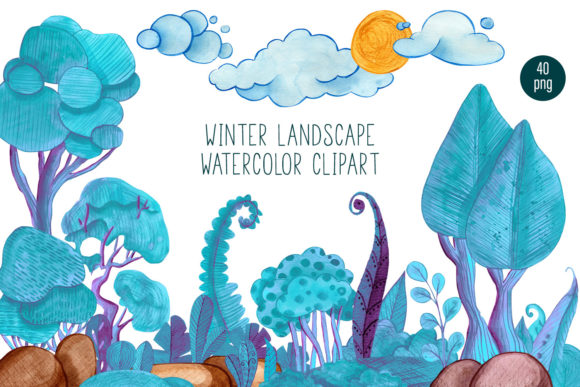
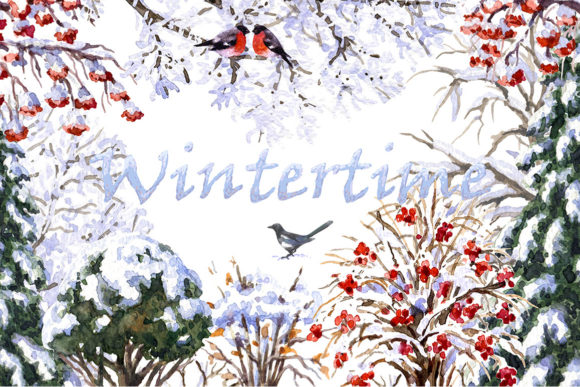
When integrating winter themes into commercial or personal projects, the authenticity of the artwork matters. Digital brushes can mimic paint, but they often lack the unpredictable fluidity and genuine texture of real watercolor on paper. This is where a comprehensive set of hand-drawn elements becomes invaluable. By utilizing assets that include various winter trees, bushes, and wildlife such as bullfinches and magpies, creators can build compositions that resonate with the quiet magic of the season.
The Artistic Value of Authentic Watercolor Textures
Watercolor is a medium defined by its transparency and flow. In the context of wintertime imagery, these characteristics are particularly effective. The way watercolor pigments pool and dry creates natural gradients that perfectly mimic the soft accumulation of snow on branches or the subtle shading of bare bark. Unlike flat vector graphics or rigid photography, watercolor illustrations carry an emotional weight—they feel handmade, warm, and inviting, even when depicting cold subjects.
A high-resolution collection, such as one offering files at 5800x6400px, ensures that these delicate textures remain crisp regardless of the output size. Whether you are designing a large-format holiday banner, a printed greeting card, or a detailed website header, the integrity of the brushstrokes must be preserved. Layered PSD files are crucial in this workflow, allowing designers to isolate specific elements, adjust opacity, or blend modes to integrate the watercolor seamlessly into their broader design ecosystem.
Essential Elements for Winter Compositions
Creating a cohesive winter scene requires more than just snow; it demands a variety of botanical and faunal elements that tell a story. A robust asset library should include:
- Evergreen and Deciduous Trees: The contrast between needle-heavy pines and the skeletal elegance of leafless deciduous trees provides visual interest and depth.
- Snow-Covered Bushes: These serve as excellent foreground elements, grounding the composition and adding texture to the lower third of a design.
- Wildlife Accents: Birds like bullfinches and magpies add life and color. The bright red breast of a bullfinch, for instance, offers a striking focal point against a monochromatic background.
Having these elements available as separate, layered files allows for infinite customization. You might choose to place a sitting bullfinch on a pine branch in one project, while using a magpie in flight for another. The flexibility to mix and match these components is what transforms a static image into a versatile design tool.
Practical Applications in Modern Design Workflows
The utility of a comprehensive winter illustration set extends far beyond simple holiday cards. In today’s digital-first world, these assets are integral to branding, web design, and social media content. Consider the following scenarios where such resources elevate the final product:
- E-commerce and Retail: During the winter shopping season, brands seek to evoke feelings of nostalgia and comfort. Using hand-painted frames and tree motifs on product packaging or website banners can soften the commercial edge, creating a more artisanal and trustworthy brand image.
- Editorial Design: Magazines and online publications covering travel, lifestyle, or home decor often feature winter-themed articles. High-quality JPGs and PNGs with transparent backgrounds allow editors to quickly layout complex scenes without needing to commission original artwork for every piece.
- Wedding and Event Stationery: Winter weddings are increasingly popular. Couples often look for elegant, understated designs. A rectangle winter frame featuring evergreen plants and falling snow can serve as the perfect backdrop for invitations, menus, and save-the-dates.
The inclusion of vector files, such as EPS 8 formats, is particularly beneficial for print professionals. Vectors ensure that lines remain sharp and clean, regardless of scaling. When trees are separated from the background in vector format, designers have complete control over placement, ensuring that the composition fits perfectly within any given layout constraint.
Navigating File Formats and Resolutions
Understanding the technical specifications of your asset library is key to efficient workflow management. A well-curated zip archive should provide multiple formats to suit different needs:
JPG files are ideal for quick previews and web-based applications where file size is a concern. However, for professional editing, layered PSDs are indispensable. They allow you to adjust the color balance of the snow, tweak the saturation of the birds, or remove specific branches without affecting the rest of the image. For web designers, PNG files with transparent backgrounds are essential. A square winter frame at 2530x2530px or a rectangular one at 3800x2530px can be dropped directly into a CSS grid or a social media template without the need for additional masking.
Furthermore, the availability of a vector watercolor set bridges the gap between traditional aesthetics and modern scalability. While watercolor is inherently raster-based, vectorizing these elements allows for infinite resizing without pixelation, a critical feature for large-scale printing such as billboards or trade show displays.
Enhancing Atmosphere with Wildlife and Weather Effects
A static landscape can sometimes feel lifeless. The addition of wildlife introduces narrative and movement. Bullfinches, with their distinctive plumage, are iconic symbols of winter in many cultures. Including them in your designs adds a touch of realism and charm. Similarly, magpies bring a dynamic element, often depicted in mid-flight or perched alertly.
Beyond flora and fauna, weather effects play a crucial role in setting the mood. A "winter view" illustration that includes falling snow adds depth and motion to a static image. This effect can be used to create a sense of immersion, making the viewer feel as though they are looking out into a quiet, snow-covered forest. When these elements are provided as high-resolution JPGs, they can be overlaid onto other designs using blending modes like "Screen" or "Lighten" to create realistic atmospheric effects.
Choosing the Right Assets for Your Project
When selecting a watercolor illustration set for wintertime projects, consider the versatility of the package. Does it offer both square and rectangular frames? Are the trees separated from the background for easy compositing? Is there a mix of vector and raster files? A comprehensive archive that includes all these elements saves time and expands creative possibilities.
For instance, a designer working on a series of Instagram posts might rely heavily on the square PNG frames, while a print designer creating a brochure will prioritize the high-resolution JPGs and EPS vectors. The ability to access both evergreen and deciduous options ensures that the botanical accuracy of the design matches the specific geographic or aesthetic requirements of the project.
Ultimately, the goal is to capture the essence of the season—the crisp air, the silence of falling snow, and the resilience of nature. By leveraging high-quality, hand-drawn watercolor illustrations, designers can create work that is not only visually stunning but also emotionally resonant. Whether you are crafting a simple greeting or a complex branding campaign, these assets provide the foundational beauty needed to bring the spirit of winter to life.
Remember, the best designs are those that feel authentic. Hand-painted elements carry the imperfections and nuances of human touch, which digital equivalents often struggle to replicate. Embracing these textures allows your work to stand out in a crowded digital landscape, offering viewers a moment of calm and reflection amidst the hustle of the holiday season.