Impalas Herd: Capturing the Grace of the African Savanna
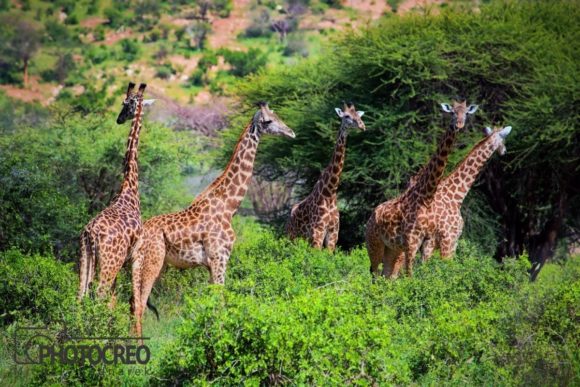
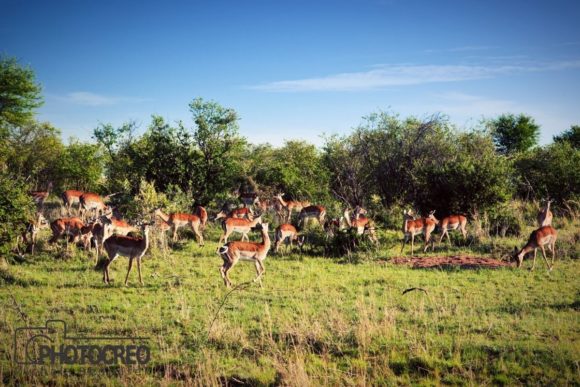
The African savanna is a landscape defined by movement, rhythm, and the delicate balance between predator and prey. At the heart of this dynamic ecosystem stands the impala, an antelope renowned for its agility, elegance, and social complexity. An Impalas Herd is more than just a collection of animals; it is a visual representation of harmony in the wild. The photograph capturing a group of these graceful creatures grazing on the grass and bushes of the Serengeti in Tanzania offers a window into this natural world. For creators, marketers, and educators, this image serves as a powerful asset, bridging the gap between raw nature and modern digital storytelling.
In an era where visual content drives engagement, authentic wildlife imagery has become increasingly valuable. The specific scene of impalas grazing in the Serengeti does not merely document wildlife; it evokes a sense of calm, resilience, and community. Whether used for digital projects, printable materials, or educational resources, this JPEG file at 72 DPI provides a versatile foundation for a wide array of creative endeavors. Understanding the context behind the image enhances its utility, allowing users to leverage its aesthetic and symbolic power effectively.
The Symbolism and Appeal of the Impala
Impalas are often referred to as the "McDonald's of the bush" due to their abundance, but this label undersells their significance. They are central to the food web of the East African plains, serving as a primary food source for lions, leopards, and cheetahs. Yet, in a static image, the tension of survival is replaced by a moment of serene grazing. This duality makes the Impalas Herd a compelling subject for visual media. It represents both the fragility and the endurance of life in the wild.
For designers and content creators, the appeal lies in the composition. The golden hues of the savanna grass, the reddish-brown coats of the impalas, and the soft focus of the background create a warm, inviting palette. These colors resonate with audiences seeking authenticity and connection to nature. In marketing, such imagery can evoke feelings of freedom, organic quality, and tranquility. When a brand aligns itself with these values, the image of grazing impalas becomes more than decoration; it becomes a narrative tool.
Moreover, the social structure of an impala herd reflects themes of community and cooperation. Observing how they move together, alert yet relaxed, offers insights into group dynamics. Educators and corporate trainers can use this imagery to illustrate concepts of teamwork, vigilance, and leadership. The visual metaphor is subtle but potent: strength in numbers, awareness of surroundings, and the importance of staying grounded.
Integrating Wildlife Imagery into Modern Workflows
The demand for high-quality, royalty-free imagery has surged as remote work and digital content creation have become mainstream. Professionals across industries—from freelance bloggers to large-scale marketing agencies—require assets that are both visually striking and legally safe to use. The Impalas Herd photo, available in JPEG format at 72 DPI, fits seamlessly into these modern workflows. Its resolution is optimized for screen display, making it ideal for websites, social media posts, email newsletters, and digital presentations.
Consider the practical applications for a travel blogger specializing in African safaris. Using this image as a header for an article about the Serengeti immediately establishes credibility and atmosphere. It transports the reader to Tanzania before they read a single word. Similarly, a wellness coach might use the same image to promote mindfulness retreats, leveraging the calming effect of the grazing scene to attract clients seeking escape from urban stress.
For entrepreneurs launching eco-friendly products, the image reinforces brand values. Packaging designs, website banners, and promotional flyers featuring the impala herd communicate a commitment to nature and sustainability. The key is consistency. When the visual language aligns with the brand message, the impact is amplified. The 72 DPI format ensures that files remain lightweight, facilitating faster load times for websites—a critical factor for user experience and SEO performance.
Trends in Nature-Based Content and Design
Current design trends favor authenticity over perfection. Audiences are increasingly skeptical of overly staged or artificial imagery. They crave real moments, captured in natural light, with genuine subjects. The photo of the Impalas Herd grazing in the Serengeti meets this demand. It is unposed and unfiltered, offering a glimpse into the daily life of these animals. This authenticity resonates with viewers who are tired of polished, sterile stock photos.
Furthermore, there is a growing interest in biophilic design—the concept of incorporating natural elements into built environments and digital spaces. Studies suggest that exposure to nature images can reduce stress and improve cognitive function. By integrating wildlife photography into office wallpapers, educational slides, or mental health apps, creators contribute to user well-being. The impala, with its gentle demeanor and elegant form, is an excellent candidate for such applications.
Social media platforms also drive the popularity of wildlife content. Posts featuring animals often receive higher engagement rates than those without. Instagram, Pinterest, and LinkedIn users alike respond to the emotional pull of nature photography. A well-captioned post featuring the Impalas Herd can spark conversations about conservation, travel, or photography techniques. Hashtags like #Serengeti, #WildlifePhotography, and #NatureLovers help extend reach, connecting the image with communities passionate about the natural world.
Practical Recommendations for Creators and Businesses
To maximize the value of the Impalas Herd image, users should consider the context in which it is deployed. Here are several strategic approaches:
- Web Design: Use the image as a hero banner for travel agencies or conservation NGOs. Ensure text overlays are legible by adding semi-transparent backgrounds or using contrasting font colors.
- Educational Materials: Incorporate the photo into biology textbooks or online courses about African ecosystems. Annotate the image to highlight specific behaviors, such as grazing patterns or herd spacing.
- Printable Projects: While the 72 DPI format is optimized for digital use, it can still be effective for small-scale prints like postcards, flyers, or brochure inserts. For larger posters, consider upscaling techniques or limiting print size to maintain clarity.
- Social Media Campaigns: Create carousel posts that tell the story of the impala. Start with this grazing scene, followed by facts about their speed, diet, and role in the ecosystem. This educational approach adds value beyond aesthetics.
- Brand Storytelling: If your business emphasizes agility, adaptability, or community, use the impala as a mascot or symbol. Reference the herd’s behavior in copywriting to reinforce these traits.
It is also essential to respect ethical considerations when using wildlife imagery. Ensure that the source of the image permits the intended use, whether commercial or personal. Supporting photographers who practice ethical wildlife photography encourages responsible tourism and conservation efforts. By choosing images that depict animals in their natural habitat without signs of distress or human interference, creators contribute to a positive narrative around wildlife.
The Evolution of Wildlife Photography Usage
Historically, wildlife photography was primarily the domain of documentaries and scientific journals. Today, it has permeated everyday commerce and communication. This shift reflects a broader cultural appreciation for nature and a desire to connect with the wild, even from urban centers. The accessibility of digital assets like the Impalas Herd photo democratizes this connection, allowing anyone with an internet connection to bring a piece of the Serengeti into their projects.
Technological advancements have also changed how these images are consumed. High-resolution screens on smartphones and tablets demand crisp, detailed visuals. While 72 DPI is standard for web use, the underlying quality of the original capture matters. A well-composed shot with good lighting and focus will look superior even when compressed for digital delivery. Users should prioritize images that maintain integrity across devices.
Additionally, the rise of virtual reality and augmented reality opens new avenues for wildlife imagery. Imagine a classroom where students can explore the Serengeti through VR headsets, with the Impalas Herd appearing in three-dimensional space. While this may seem futuristic, the foundational assets for such experiences are the same high-quality photographs used today. Preparing content with scalability in mind ensures longevity and relevance.
Conclusion: Embracing the Natural Narrative
The Impalas Herd photo is more than a static image; it is a portal to the African savanna. It captures a moment of peace in a world often defined by chaos. For professionals, creators, and enthusiasts, it offers a versatile tool for communication, education, and inspiration. By understanding the ecological context, design trends, and practical applications of this imagery, users can harness its full potential.
Whether you are designing a website, creating educational content, or simply decorating your digital workspace, let the grace of the impala remind you of the beauty and resilience of the natural world. In doing so, you not only enhance your projects but also contribute to a broader appreciation for wildlife conservation. The Serengeti awaits, not just as a destination, but as a source of endless creative possibility.