Boost Family Joy with a Garden Scavenger Hunt
As a mom of three young children, nothing is a better mood boost for all of us than exploring outdoors. The fresh air clears the mental fog that often accumulates during long indoor days, and the change of scenery resets our collective energy levels. However, simple walks can sometimes lose their novelty, especially for energetic kids who crave engagement and purpose in their play. In order to spice it up a little bit when we go for walks and incorporate some learning in our activity, I turned to a classic yet highly effective tool: the Garden Scavenger Hunt.
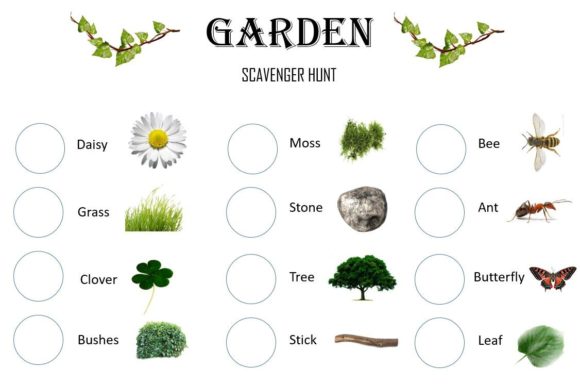
This activity is more than just a way to pass time; it is a structured approach to outdoor exploration that blends physical activity with observational skills. If you have a garden or go to a friend's garden or even a public garden, print this sheet, glue it on thick cardboard, get out a pencil, and embark on a search for specific natural items. The list typically includes accessible elements like a daisy, grass, clover, bushes, moss, stone, tree, stick, bee, ant, butterfly, and leaf. This simple preparation transforms a routine stroll into an interactive adventure that benefits both children and adults.
Transforming Passive Walks into Active Learning
The primary value of a Garden Scavenger Hunt lies in its ability to shift children from passive observers to active participants. When walking without a specific goal, young children may wander aimlessly or become restless. By introducing a checklist, you provide a clear objective that channels their energy into focused observation. This shift is crucial for developing attention to detail and patience.
For educators and parents alike, this method supports early scientific inquiry. Children learn to identify different plant species and insect behaviors not through rote memorization, but through direct experience. Finding a clover among the grass requires distinguishing shapes and textures. Spotting a butterfly demands stillness and quiet observation. These moments build foundational skills in biology and ecology, making the outdoors a living classroom. The tactile nature of the activity—holding a pencil, checking off boxes, touching a rough stone or soft moss—engages multiple senses, reinforcing memory and understanding.
Enhancing Family Connection Through Shared Goals
Beyond educational benefits, this activity serves as a powerful tool for strengthening family bonds. In today’s fast-paced world, finding quality time that feels meaningful rather than forced can be challenging. A scavenger hunt creates a shared mission where everyone works toward a common goal. Unlike competitive games that may lead to frustration, this collaborative effort encourages teamwork. Older siblings can help younger ones spot difficult items like a tiny ant or a high-up leaf, fostering empathy and cooperation.
For professionals and entrepreneurs who spend much of their day in front of screens, joining this hunt offers a genuine digital detox. It forces a break from emails and meetings, allowing parents to be fully present. The simplicity of the task—looking for a daisy or a stick—creates a low-pressure environment where conversation flows naturally. You might find yourself discussing why bees are important or how trees grow, leading to deeper connections with your children. This shared experience builds lasting memories and reinforces the idea that joy can be found in simple, everyday moments.
Practical Implementation for Maximum Engagement
To ensure your Garden Scavenger Hunt is successful, preparation is key. As mentioned, printing the list on thick cardboard provides durability, especially if children are eager to mark their findings vigorously. Using a pencil allows for corrections and reuse, making the activity sustainable for multiple outings. Here are some practical tips to enhance the experience:
- Customize the List: Adapt the items based on the season and location. In spring, look for blossoms; in autumn, focus on colored leaves and acorns. This keeps the activity relevant and exciting year-round.
- Set Clear Boundaries: Before starting, define the search area to ensure safety. Explain which plants are safe to touch and which insects should be observed from a distance.
- Encourage Documentation: For older children, consider adding a camera or sketchpad. Drawing a bush or photographing a bee adds a creative layer to the hunt, appealing to artistic interests.
- Discuss Findings: After the hunt, take time to review what was found. Ask open-ended questions like, "Where did you find the moss?" or "Why do you think the butterfly landed there?" This reinforces learning and encourages critical thinking.
These steps ensure that the activity remains engaging and educational, rather than becoming a rushed chore. The goal is to enjoy the process, not just complete the list.
Who Benefits Most from This Activity?
While primarily designed for families with young children, the Garden Scavenger Hunt offers value to a broader audience. Educators can use it as a field trip activity to teach biology and environmental stewardship. Bloggers and content creators might document their hunts to share eco-friendly parenting tips, connecting with audiences interested in sustainable living. Even hobbyist gardeners can use this framework to introduce grandchildren to the joys of gardening, passing down knowledge about local flora and fauna.
For small business owners and marketers, understanding the appeal of such simple, low-cost activities can inform product development or community engagement strategies. Products that facilitate outdoor play, educational tools, or family-oriented experiences align well with the values demonstrated by this activity. Recognizing the demand for meaningful, screen-free entertainment can guide business decisions and marketing messages.
Considerations and Limitations
It is important to acknowledge that not every outdoor space is suitable for a scavenger hunt. Public gardens may have restrictions on picking plants or disturbing wildlife, so always check local rules. In urban environments, finding diverse natural elements like moss or clover might be challenging, requiring creativity in adapting the list. Additionally, weather conditions can impact the experience; rainy days may limit mobility, while extreme heat requires extra hydration and shade breaks.
Furthermore, children with different abilities may need accommodations. For those with mobility issues, focusing on visual sightings rather than physical collection can make the activity inclusive. Sensory-sensitive children might find certain textures or insects overwhelming, so preparing them beforehand and offering alternatives is essential. Flexibility ensures that the Garden Scavenger Hunt remains a positive experience for everyone involved.
In conclusion, integrating a Garden Scavenger Hunt into your routine offers a simple yet profound way to enhance outdoor time. It combines education, physical activity, and family bonding in a package that is easy to implement and highly rewarding. By taking the time to prepare a simple list and step outside, you create opportunities for discovery and connection that resonate long after the walk is over. Whether in your backyard or a public park, this activity reminds us that nature is always ready to teach and inspire, if only we take the time to look.